
30 Photos to Inspire You to Visit Lamu island Kenya

Updated: Feb 25

Discover Kenya's Hidden Coastal Paradise Through Stunning Visual Stories
Have you ever dreamed of escaping to a place where time moves more slowly, the beaches are pristine, and the vibe is authentically unbothered? Welcome to Lamu Island, Kenya's coastal gem that's been hiding in plain sight while everyone else flocks to Zanzibar. Lamu is definately the most peaceful travel destination in Kenya. This UNESCO World Heritage Site is where culture meets coastline, where ancient Swahili traditions blend seamlessly with that laid-back island energy we're all craving. Whether you're scrolling through travel inspo or seriously plotting your next getaway, these 25 photos to inspire you to visit Lamu will have you booking flights before you finish reading. I have explored Lamu during Christmas & Boxing Day Weekend, a very special time to explore Lamu Island and its attractions.
Lamu isn't your typical beach destination—it's an experience, a feeling, a whole mood. It's the original Blueprint, the oldest Swahili village in the world. Among the best things to see in Lamu: the winding streets of Lamu Old Town to the untouched beaches that stretch for miles, this island offers something you won't find anywhere else: authenticity without the tourist trap vibes. So grab your favourite beverage, get comfortable, and let these visuals transport you to one of Africa's most enchanting destinations.
Please Note: This article contains affiliate links. If you click through the links on this page and make a purchase, we may earn a small commission. We earn from qualifying purchases as an affiliate of Stay22, TravelPayout, and a few other travel brands. Thank you for supporting Melanin Travels Magic Blog. [Learn More]
Table of Contents
Introduction - [Read More]
What to Know About Lamu - [Read More]
The Island That Time Forgot
Getting There and Around
Photos to Inspire You to Visit Lamu - [Read More]
The Iconic Lamu Waterfront
Lamu Old Town’s Architectural Wonders
The Famous Lamu Donkeys
Pristine Beaches That Stretch Forever
Dhow Sunsets
The Vibrant Lamu Market
Traditional Swahili Doors
Secret Rooftop Views
Lamu Fort
Traditional Dhow Building
Lamu’s Resident Cats
Mangrove Channels
Local Fishermen
Traditional Swahili Cuisine
Maulidi Festival
Hidden Courtyards and Gardens
The Smaller Islands
Traditional Lamu Fashion
The Lamu Museum
Peaceful Morning Streets
Riyadha Mosque
Traditional Henna Art
Boutique Accommodations
The Magic of Blue Hour
Genuine Human Connections
Things to Do in Lamu - [Read More]
Wander Lamu Old Town
Take a Dhow Safari
Visit Shela Village
Learn at the Lamu Museum
Experience Swahili Cuisine
Explore the Mangroves
Shop for Handcrafted Souvenirs
Attend a Cultural Performance
Visit the Donkey Sanctuary
Simply Relax
Find Your Perfect Stay - [Read More]
Budget-Friendly Guesthouses
Mid-Range Boutique Hotels
Luxury Beachfront Resorts
Unique Accommodation Experiences
Final Thoughts - [Read More]
Frequently Asked Questions - [Read More]
Related Posts - [Read More]
Pin It for Later - [Read More]
More Travel Photos and Stories - [Read More]
What to Know About Lamu
The Island That Time Forgot

Lamu Island sits off Kenya's northern coast, part of the Lamu Archipelago that includes several smaller islands perfect for day trips and exploration. This isn't just another beach destination— Lamu Old Town is the oldest and best-preserved Swahili settlement in East Africa, with buildings dating back to the 14th century. This alone is the main reason why you should visit Lamu. The entire town is a UNESCO World Heritage Site, recognised for its unique blend of Swahili, Arabic, Persian, Indian, and European architectural influences.
Here's what makes Lamu truly special: there are no cars. Zero. Nada. Transportation happens via donkey, dhow (traditional sailing vessels), boda boda (motorbike), or on your own two feet. This car-free lifestyle creates an atmosphere that's peaceful, sustainable, and refreshingly different from the chaotic cities most of us are used to. The air smells like the ocean mixed with spices from local kitchens, and the soundtrack is the gentle lapping of waves and distant calls to prayer.
Getting There and Around

Flying into Lamu is surprisingly straightforward. Most visitors fly from Nairobi or Mombasa to Manda Airport, which sits on neighbouring Manda Island, then take a short boat ride to Lamu Island itself. You can fly with Skyward Express or Safari Link.
If you're on a budget, consider bus services from Nairobi or Mombasa, such as Dream or Tahmeed Express. Once you arrive, embrace the slow pace—this is a destination where rushing defeats the purpose. Wander the narrow alleyways, hop on a dhow to explore nearby islands, or simply post up at a beachfront café and watch the world drift by.


Photos to Inspire You to Visit Lamu
The Iconic Lamu Waterfront
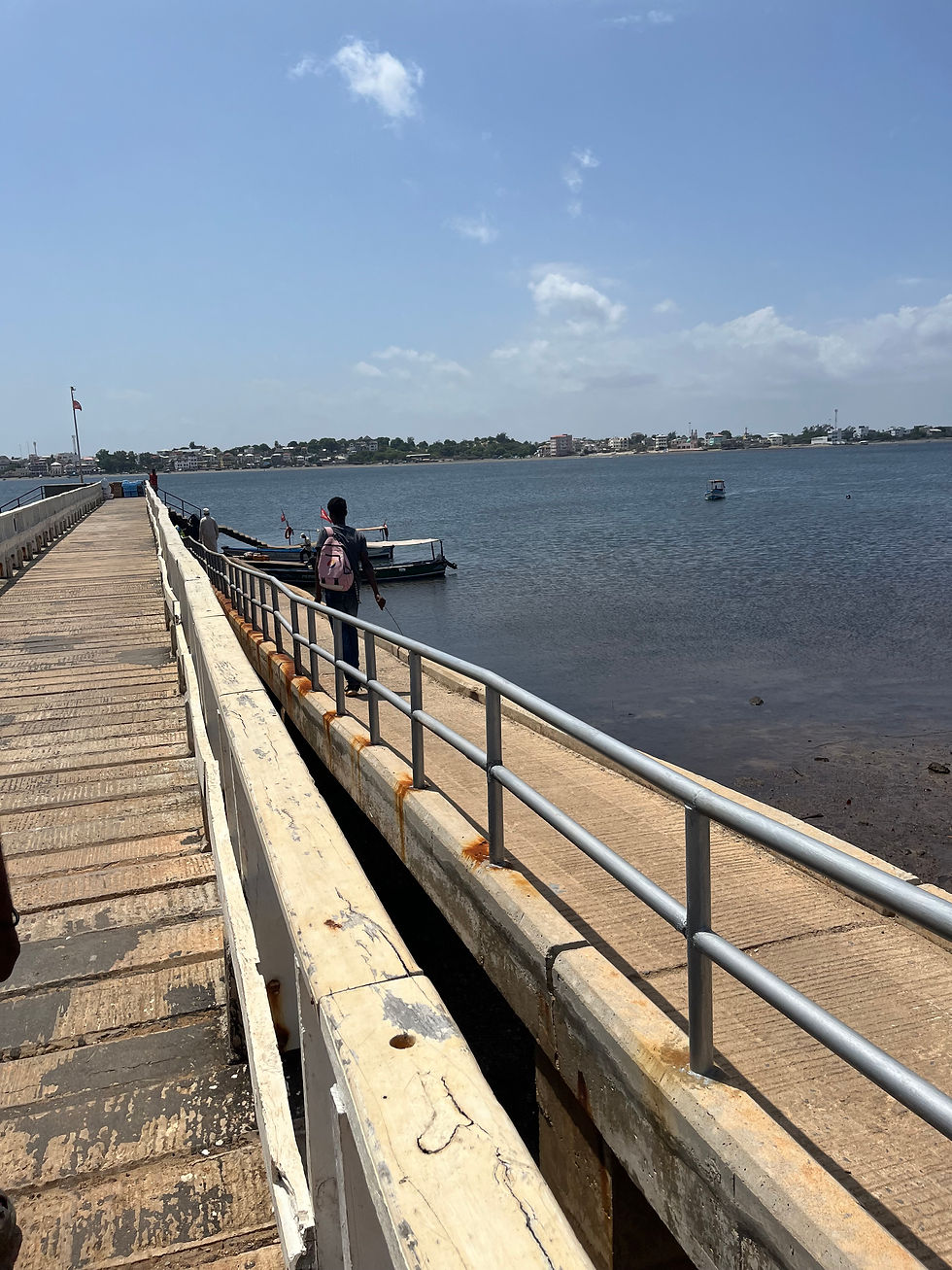
The Lamu waterfront is where the island's heartbeat is strongest. Traditional dhows with their distinctive triangular sails line the shore, bobbing gently in waters that shift from deep blue to brilliant turquoise depending on the time of day. This is where fishermen bring in their daily catch, where locals gather to chat, and where visitors fall completely under Lamu's spell. You should not miss out on the golden hour light here is absolutely unmatched—photographers, prepare yourselves.
Lamu Old Town's Architectural Wonders - Lamu Island Photos

Walking through Lamu Old Town feels like stepping onto a movie set, except everything is beautifully, authentically real. The narrow stone streets are flanked by coral stone buildings with intricately carved wooden doors—each one a masterpiece telling stories of the families who lived behind them. The architecture is distinctly Swahili, with courtyards, verandas, and rooftop terraces that have been keeping residents cool for centuries. Every turn reveals another Instagram-worthy moment, but honestly, put your phone down occasionally and just absorb it.
The Famous Lamu Donkeys

In Lamu, donkeys aren't just cute—they're essential infrastructure. These hardworking animals are the island's primary mode of transporting goods, from construction materials to fresh produce. You'll see them everywhere, often adorned with colourful fabrics or bells, navigating the narrow streets with impressive skill. The Lamu Donkey Sanctuary does incredible work caring for these animals, and it's worth a visit to learn about their importance to island life. It is completely free and supported by a British NGO.
Pristine Beaches That Stretch Forever - Lamu Island Photos

Shela Beach is where Lamu's natural beauty really flexes. This 12-kilometre stretch of white sand is so expansive that you can walk for hours and barely see another soul. The Indian Ocean waves are perfect for swimming, and the dunes behind the beach create dramatic landscapes that look straight out of a desert fantasy. Unlike crowded resort beaches, Shela maintains that peaceful, untouched vibe that makes you feel like you've discovered something special.

Dhow Sunsets That Will Ruin All Other Sunsets

Taking a sunset dhow cruise around Lamu is non-negotiable. As the sun melts into the horizon, painting the sky in shades of orange, pink, and purple, you'll understand why people have been sailing these waters for centuries. The traditional wooden vessels move gracefully through calm waters, and if you're lucky, dolphins might join your journey. This is the kind of moment that makes you question why you ever thought scrolling through social media was a good way to spend an evening.

The Vibrant Lamu Market

During any typical Old Lamu tour, one key stop is Lamu's market. You will enjoy its sensory overload in the best possible way. Fresh seafood displays feature the morning's catch, colourful spices are piled in pyramids, tropical fruits you might not recognise tempt you from every stall, and local vendors sell everything from handwoven baskets to traditional kangas (colourful wraps). The market is where Lamu's Swahili culture comes alive—it's authentic, bustling, and offers a glimpse into daily island life that tourist areas can't replicate.

Traditional Swahili Doors - Lamu Island Photos

If there's one thing Lamu is famous for, it's the elaborately carved wooden doors that grace its historic buildings. These aren't just functional—they're works of art, featuring intricate geometric patterns, Arabic calligraphy, and symbolic motifs that reflect the owners' wealth, status, and beliefs. Some doors date back hundreds of years, and each tells a unique story. Door enthusiasts (yes, that's a thing, and Lamu will convert you) can spend days photographing these masterpieces.

Secret Rooftop Views
Many of Lamu's traditional houses feature rooftop terraces that offer panoramic views of the town, harbour, and surrounding islands. These spots are perfect for catching sunrise with Arabic coffee or watching the evening call to prayer as the town settles into dusk. Several hotels and restaurants have rooftop spaces open to visitors, providing elevated perspectives (literally) on this magical island.
Fancy finding out more things to do while in Lamu Island Kenya ? Here are some top 10 activities in Lamu Island Kenya from GetyourGuide.com
Lamu Fort's Historical Presence

Built in 1821, Lamu Fort stands as a reminder of the island's strategic importance throughout history.
Today, it houses a library and environmental conservation centre, but its thick coral walls and commanding position overlooking the waterfront make it a striking landmark. The fort's architecture reflects the island's complex history of trade, conflict, and cultural exchange.
Traditional Dhow Building

Watching local craftsmen build traditional dhows using techniques passed down through generations is mesmerising. These skilled artisans work with simple tools to create seaworthy vessels entirely from wood, without a single nail—just wooden pegs and coconut fibre rope. The dhow-building yards are living museums where ancient maritime traditions continue to thrive.
Lamu's Resident Cats
Lamu has a significant feline population that adds to the island's quirky charm. These photogenic cats lounge on doorsteps, patrol the waterfront, and generally live their best lives in this peaceful paradise. Cat lovers will find endless photo opportunities with these furry residents who seem to know they're living in one of Africa's most beautiful destinations.
The Mystical Mangrove Channels - Lamu Island Photos

Exploring Lamu's mangrove forests by dhow or kayak reveals a completely different side of the island. These twisted, salt-tolerant trees create magical channels where the water reflects the sky, creating mirror-like scenes. The mangroves are vital ecosystems supporting fish, crabs, birds, and other wildlife, and gliding through them feels like entering another world.
Local Fishermen at Work

Lamu's fishing traditions remain strong, and watching fishermen prepare their nets, repair boats, or bring in the catch offers authentic glimpses into island livelihoods. The connection between Lamu residents and the sea is ancient and deep, visible in every aspect of daily life from the market to the dinner table.
Traditional Swahili Cuisine

One thing that should be on your bucket list, is trying Swahili cuisine. Lamu's food scene is incredible. Fresh seafood grilled with local spices, coconut-based curries, pilau rice fragrant with cardamom, and Swahili sweets like mkate wa ufuta (coconut bread) represent centuries of culinary tradition. The island's restaurants range from simple local eateries to upscale dining experiences, all showcasing the delicious fusion of African, Arab, and Indian influences.


Let's Inspire your next Stay in Lamu, Kenya with our Favourite accommodation recommendations
The Maulidi Festival Celebrations
If you visit during the annual Maulidi Festival (celebrating the Prophet Muhammad's birthday), you'll witness Lamu at its most vibrant. The week-long celebration features dhow races, traditional dances, poetry recitals, and religious ceremonies that draw visitors from across the region. The island's streets come alive with processions, music, and a sense of community celebration. Lamu Island is very vibrant with a few dozen festivals every year, the most popular one for tourists & foreigners is the Yoga festival in November, created & hosted by Banana House Guest House.
Hidden Courtyards and Gardens
Behind the stone walls of Lamu's houses lie secret courtyards and gardens that provide cool, shaded retreats from the tropical sun. These private spaces, occasionally visible through open doorways, showcase the Swahili architectural genius for creating comfortable living spaces in hot climates. Lush plants, intricate tilework, and carved furniture create oases of calm.

Fancy finding out more things to do while in Lamu Island Kenya ? Here are some top 10 activities in Lamu Island Kenya from GetyourGuide.com
The Smaller Islands

Manda, Pate, and other nearby islands each have their own character and attractions. Manda Island offers pristine beaches and the ruins of Takwa, a 15th-century Swahili town. Pate Island features its own historic settlements and traditional ways of life. Island-hopping by dhow is one of Lamu's greatest pleasures.
Let's Inspire your next Stay in Lamu, Kenya with our Favourite accommodation recommendations
Traditional Lamu Fashion
Lamu's residents maintain traditional dress, particularly during religious and cultural occasions. Men often wear kanzu (long white robes) and embroidered caps, while women wear buibui (black robes) and colourful kangas. The island's fashion reflects its Islamic heritage and Swahili identity, adding to the sense of stepping into a different time.
The Lamu Museum

This excellent museum in a restored Swahili house showcases Lamu's history, culture, and traditions. Exhibits cover everything from traditional maritime activities to Swahili wedding customs, offering context that enriches your exploration of the island. The museum's collection includes ceremonial items, musical instruments, and historical photographs.
Peaceful Morning Streets

Lamu mornings have a special quality—the streets are quiet except for the clip-clop of donkeys, the air is still cool, and the light is soft and golden. Early risers are rewarded with nearly empty streets perfect for photography and contemplation. This is when Lamu reveals its most peaceful, authentic self.
The Riyadha Mosque

One of Lamu's most important religious sites, the Riyadha Mosque, is also architecturally significant with its distinctive minaret and whitewashed walls. While non-Muslims cannot enter, the exterior is photogenic, and the mosque represents the deep Islamic faith that has shaped Lamu's culture for centuries.
Traditional Henna Art

Henna application is an important part of Swahili culture, particularly for weddings and celebrations. Local artists create intricate designs on hands and feet using natural henna paste. Some offer their services to visitors, providing both a beautiful temporary tattoo and a connection to traditional body art practices. Remember to relax and capture the moment with Inspiring Lamu Island photos.
Lamu's Boutique Accommodations

From restored Swahili houses turned boutique hotels to beachfront eco-lodges, Lamu's accommodations are part of the experience. Many feature traditional architecture with modern comforts—think carved four-poster beds draped in mosquito nets, rooftop terraces with ocean views, and courtyards where breakfast is served under mango trees.
The Magic of Blue Hour

That time between sunset and darkness when Lamu is bathed in deep blue light is pure magic. The waterfront glows, lights begin twinkling in windows, and the island settles into evening rhythms. This is when Lamu Old Town reveals its most romantic, timeless atmosphere. It's the perfect time for those Inspiring Lamu Island photos.
Genuine Human Connections

Perhaps the most inspiring photos are those capturing Lamu's greatest asset: its people. The warmth, hospitality, and unhurried friendliness of Lamu residents make this island special. Conversations with local shop owners, dhow captains, and guesthouse staff often become trip highlights, reminding us that the best travel experiences are fundamentally about human connection.
Things to Do in Lamu

Wander Lamu Old Town

Getting lost in Lamu Old Town's labyrinthine streets is not just recommended—it's essential. There's no real map that can capture the maze of alleyways, so embrace the confusion. You'll stumble upon hidden mosques, artisan workshops, children playing street games, and those famous carved doors at every turn.
Fancy finding out more things to do while in Lamu Island Kenya ? Here are some top 10 activities in Lamu Island Kenya from GetyourGuide.com

Take a Dhow Safari

Spending a day sailing between islands on a traditional dhow is quintessential Lamu. Most safaris include stops at deserted beaches for swimming and snorkelling, a fresh seafood lunch grilled on the boat, and plenty of time to simply sail and soak up the Indian Ocean beauty. We strongly recommend trying the sunset dhow sailing to capture the beauty of Lamu Island during your next trip.
Let's Inspire your next Stay in Lamu, Kenya with our Favourite accommodation recommendations
Visit Shela Village

A 45-minute walk along the beach from Lamu Town (or a quick dhow ride or boda boda ride, depending on tide hours throughout the day) brings you to Shela, a smaller, even more laid-back village. Climb the Shela Dunes for panoramic views, explore the village's quieter streets, and enjoy lunch at one of the beachfront restaurants.

Learn at the Lamu Museum

Pro Tip: Dedicate an hour or two to understanding Lamu's complex history and rich cultural traditions. The museum provides context that makes everything you see around the island more meaningful, from architectural details to social customs.
Fancy finding out more things to do while in Lamu Island Kenya ? Here are some top 10 activities in Lamu Island Kenya from GetyourGuide.com
Experience a Traditional Swahili Meal

Seek out authentic local restaurants where residents eat rather than just tourist-oriented spots. Try octopus curry, grilled lobster with coconut rice, or mkate wa sinia (a sweet, dense cake) with spiced tea. Food is culture, and Lamu's cuisine tells stories.
Explore the Mangroves
Book a guided kayak or dhow tour through the mangrove channels. These ecosystems are fascinating, and local guides can explain their environmental importance while pointing out wildlife like crabs, fish, and various bird species.
Shop for Handcrafted Souvenirs

Lamu's artisans create beautiful handmade items —from carved wooden boxes and model dhows to woven baskets and traditional jewellery. Shopping here supports local craftspeople and provides meaningful souvenirs that connect to the island's heritage.

Attend a Cultural Performance
If you can catch traditional Swahili music and dance performances (taarab music, chakacha dance), don't miss it. These art forms are integral to Lamu's cultural identity and offer insights into celebrations and storytelling traditions.
Visit the Donkey Sanctuary

The Lamu Donkey Sanctuary provides free veterinary care to the island's hardworking donkeys. Visiting supports their work and offers a chance to learn about these essential animals' role in Lamu life. It's nicknamed "The Donkey hospital"
Simply Relax

Sometimes the best thing to do in Lamu is absolutely nothing. Find your perfect spot—a rooftop terrace, a beach, a waterfront café—and just be. Lamu rewards those who embrace its slow pace rather than fighting it.
Find Your Perfect Stay

Budget-Friendly Guesthouses
Lamu offers numerous family-run guesthouses in the Old Town with simple, clean rooms and genuine hospitality. These budget options typically range from $20-50 per night and often include breakfast. You'll be in the heart of everything, with the authentic local experience that higher-end resorts can't replicate.
Let's Inspire your next Stay in Lamu, Kenya with our Favourite accommodation recommendations
Mid-Range Boutique Hotels

For those seeking more comfort without compromising authenticity, Lamu's boutique hotels are housed in restored Swahili houses, offering modern amenities. Expect beautifully decorated rooms, rooftop terraces, and helpful staff who can arrange tours and activities. Prices range from $80-150 per night.

Luxury Beachfront Resorts

If budget isn't a concern, Lamu's luxury properties on Shela Beach offer private beach access, infinity pools, gourmet restaurants, and spa services. These resorts blend Swahili architectural style with five-star comfort, perfect for honeymooners or those seeking ultimate relaxation. Expect to pay $200+ per night.
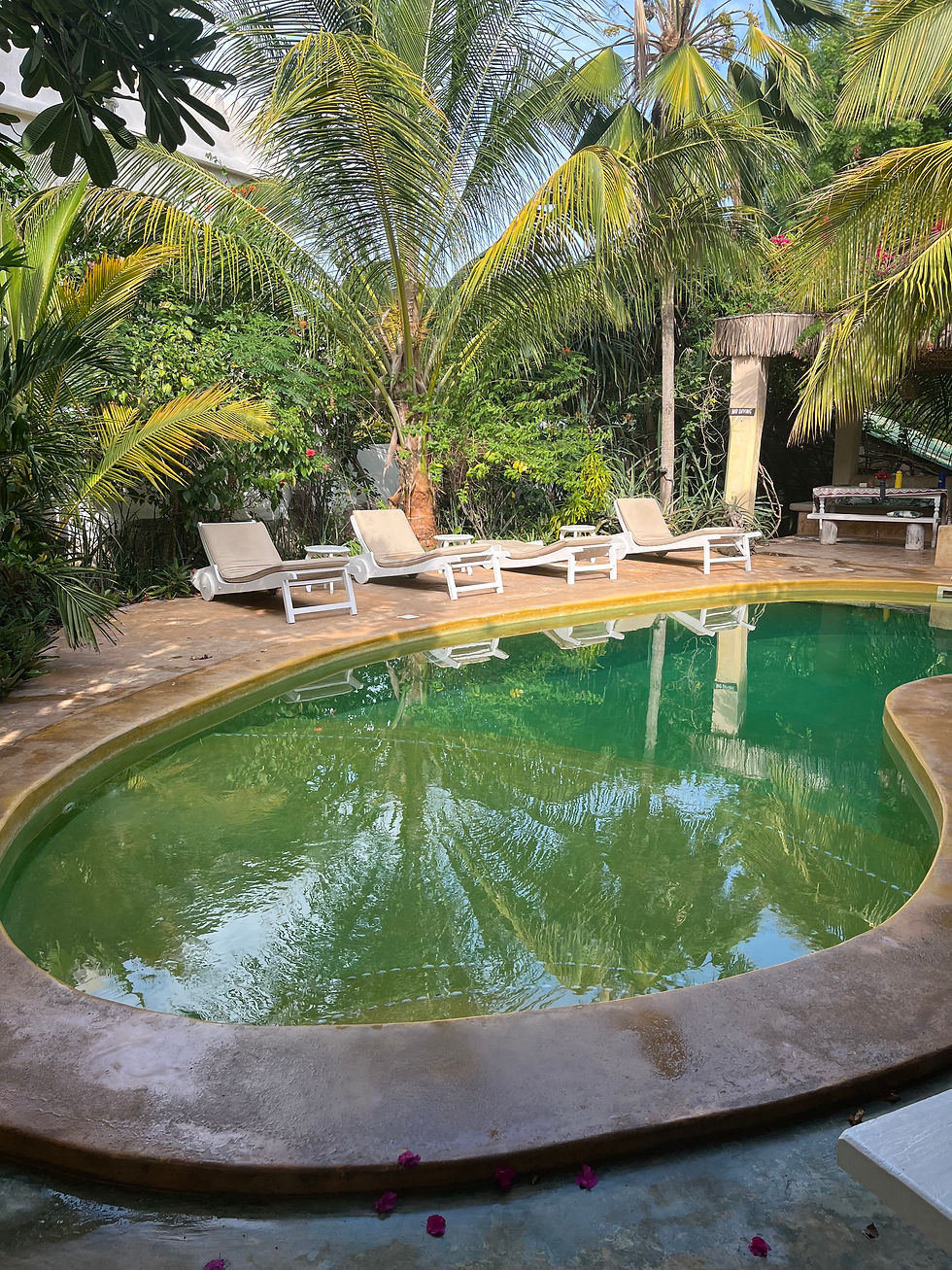
Let's Inspire your next Stay in Lamu, Kenya with our Favourite accommodation recommendations
Unique Accommodation Experiences
Consider renting a traditional Swahili house for a more immersive experience, especially if travelling with a group. Some properties come with cooks who prepare traditional meals, offering a truly local living experience. Platforms like Airbnb and local agencies offer these options.
Final Thoughts

Lamu Island isn't just a destination—it's a masterclass in slowing down, appreciating authenticity, and reconnecting with what matters. In a world where everything moves at lightning speed and Instagram-perfect moments are manufactured for likes, Lamu offers something refreshingly real. This is a place where you can't fake the experience because the experience is simply about being present.
The 25 photos to inspire you to visit Lamu only scratch the surface of what this Kenyan coastal gem offers. Every narrow street, every sunset dhow cruise, every conversation with locals reveals new layers. Lamu challenges you to put down your phone (after getting those photos, obviously), to talk to strangers, to try foods you can't pronounce, and to embrace the uncomfortable beauty of not having every moment planned.
For Gen Z and Millennial travellers tired of cookie-cutter beach resorts and manufactured "authentic" experiences, Lamu delivers. It's sustainable travel without trying too hard, cultural immersion without feeling performative, and natural beauty without the crowds. Whether you're coming from London, New York, Shanghai, or Dubai, Lamu will make you question why it took you so long to discover East Africa's most enchanting island.
So yes, let these photos inspire you to visit Lamu, but know that no image can capture the feeling of Lamu's salty air, the taste of fresh grilled octopus, or the sensation of time slowing to a pace your body forgot was possible. Some things you just have to experience for yourself.
Frequently Asked Questions
Q: Is Lamu safe for tourists?
A: Yes, Lamu is generally very safe for tourists. The island has a strong sense of community, and crime against visitors is rare. However, like any destination, use common sense—don't flash expensive items, be respectful of local customs, and stay informed about any travel advisories.
Q: What's the best time to visit Lamu Island?
A: The best weather is from July to March, with July to October being particularly ideal. November to April is also excellent. Avoid April to June when heavy rains can disrupt plans. The Maulidi Festival in late spring (date varies yearly) is special if you want to experience Lamu's cultural celebrations.
Do I need any special vaccinations for Lamu, Kenya?
A: Yellow fever vaccination is required if travelling from an endemic country. Malaria prophylaxis is recommended as Lamu is in a malaria zone. Consult your doctor about routine vaccinations and any other health precautions at least 4-6 weeks before travelling.
Q: What should I wear in Lamu?
A: Lamu is predominantly Muslim, so modest dress is respectful and appreciated. Cover shoulders and knees, especially in town. Beachwear is fine on beaches, but cover up when walking through villages. Loose, breathable fabrics work best in the tropical heat.
Q: How much does a trip to Lamu cost?
A: Budget travellers can manage on $50-70 daily, including accommodation, food, and activities. Mid-range travellers should budget $100-200 daily, while luxury seekers should expect $300+ daily. Flights from Nairobi add $150-300 to your overall costs. Our Skyward Express Flight from Mombasa International was 80 $ duringthe Boxing Day weekend, the festive period.
Q: Can I use credit cards in Lamu?
A: Cash is king in Lamu. While some upscale hotels and restaurants accept cards, most businesses are cash-only. Bring enough Kenyan shillings as ATMs are limited and often run out of cash. USD and Euros can be exchanged, but rates may not be favourable. We personally use the Nala app, the Remit transfer app. They have launched an M-Pesa ( Kenyan mobile money feature), which can pay individuals & small businesses using their full name, mobile phone number, & their Phone network or bank account
Q: Is Lamu suitable for solo female travellers?
Yes, many solo female travellers visit Lamu safely. The local culture is respectful, and harassment is less common than in many destinations. Dress modestly, respect local customs, and you'll likely have a positive experience. Connecting with other travellers and locals is easy.
Q: How long should I spend in Lamu?
A: I would definitely recommend a minimum of three days to experience Lamu's essence, but five to seven days lets you truly unwind and explore beyond the main island. Lamu rewards slow travel—rushing defeats the purpose of visiting this timeless destination.
Let's Inspire your next Stay in Lamu, Kenya with our Favourite accommodation recommendations
Related Posts
Unforgettable 25 Photos To Inspire You to Visit Diani Beach
A Comprehensive Kenya Preparation Guide: Essential Things to Know Before visiting
Top 10 must-do activities while in Nairobi
How to be Kenyan Safari Ready: The Ultimate preparation guide
Pin It for Later
Save this guide to your travel Pinterest boards! Use the pin button to bookmark "25 Photos to Inspire You to Visit Lamu" for when you're ready to plan your Kenyan coastal adventure. Share it with your travel crew who need this peaceful island escape in their lives.

More Travel Photos and Stories
Continue exploring Africa's most photogenic destinations:
Explore East African destinations round-up article on Diani beach, Zanzibar, Arusha, Nairobi and More


Comments